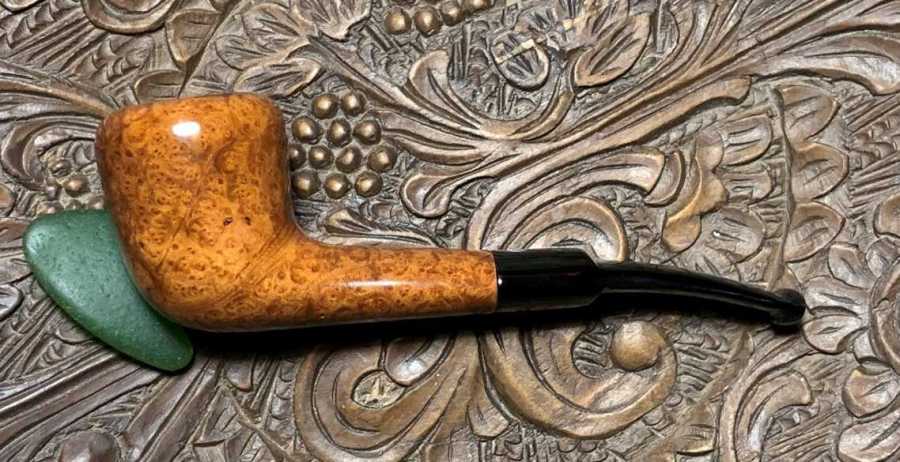
The Big-Ben Commodore came to me in January of 2017 from a seller in Connecticut. The Pear shape is unique, and I liked the oval shank with just a touch of bend for the stem. The bid was sufficient and the Big-Ben made its way to the ‘For “Pipe Dreamers” ONLY!’ collection benefiting the Daughters of Bulgaria – a work that my wife and I co-founded which continues helping women and girls who have been trafficked and sexually exploited. Pipe man, Jim from Houston, Texas, previously commissioned a Mastercraft Bulldog (See: Reviving a Mastercraft Imported Briar Bulldog) also noticed the Big-Ben Commodore Pear and reached out to me again to commission it. Here are pictures of the pipe that got Jim’s attention.


 From Jim’s previous commission, I learned of his roots in Scotland. I appreciate Jim’s story that brought him from Scotland to Texas and how he came into the pipe world. Through some medical challenges he needed to slow down. The example of his easy-going pipe smoking uncle taught him that a pipe was one enjoyable avenue to a calmer and more contemplative life. Jim shared a selfie when he first put the Mastercraft Bulldog into service, and he wrote: “Loaded up some Molto Dolce and he smokes like a champ!”
 Looking at the provenance, the nomenclature is located on the underside of the oval stem. The stampings are clear and crisp. Stamped in the center is BIG-BEN [over] COMMODORE.
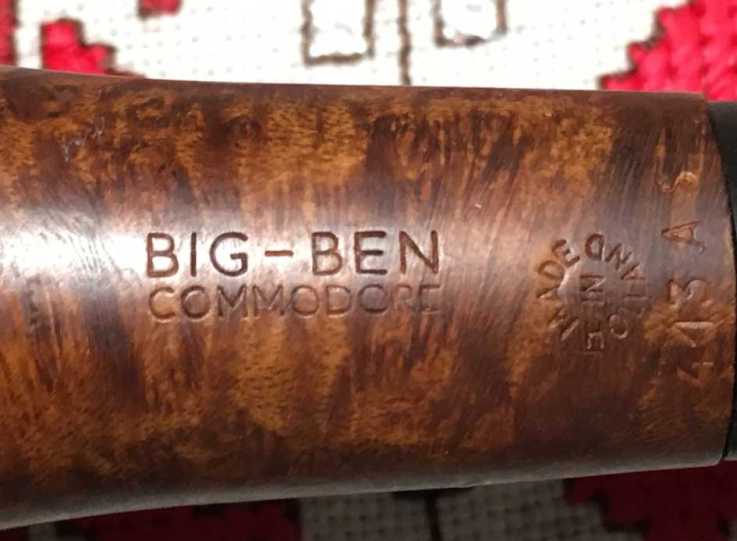 To the right of this, parallel with the shank facing, is stamped in circular, MADE IN HOLLAND, with ‘IN’ in the center. Below the COM is stamped what I’m assuming is the shape designation: 413 A S.
 Big-Ben is produced by the Elbert Gubbels & Sons Company also known as the Royal Dutch Pipe Factory which has also produced Hilson, Amphora, Humbry, IRC, Roermond, Royal Dutch, Thompson, and Porsche Design (See: Pipephil). The Pipedia article dedicated to describing the Gubbels earlier history beginning in 1870 does a good job:
With the help of his family the father of Elbert Gubbels Sr. started a retail shop for tobacco pipes and other smoker’s equipment in 1870.
 In 1924 Elbert Gubbels Sr., now father / grandfather of the present owners, transformed it into a wholesale trade business. The company grew steadily and imported pipes from various countries as there were no factories producing briar pipes in the Netherlands. The most important suppliers came from France and England.
When German troops occupied the Netherlands in May of 1940, a period of almost five years began in which the Gubbels family could hardly operate their business at all. During this years of forced rest Elbert Gubbels had a notion of becoming independent of foreign suppliers and he drew up plans to start his own production of tobacco pipes after World War II.
Immediately succeeding the war, it was very difficult to obtain good pipes for the import of foreign pipes was limited and so the time was right to go for something new. In 1946 he launched pipe production at Godsweerdersingel No. 20 in Roermond with a couple of new machines and some workers, a couple of them being foreign specialists and considered himself to commence. Yet the cramped accommodations and the needy equipment of the workshop showed the limits all too soon. It was obvious that the workshop was inadequate, and Mr. Gubbels invested in another building covering an area of 900m² that also offered a sufficient warehouse. Now production could be increased going hand in hand with developing new models and improving the quality of the pipes being produced.
The production grew steadily but it showed now that an “international” brand name was required for further expansion on international markets – obviously no one cared too much for pipes made in the Netherlands. Feeling that the time involved to get a new brand established was too lengthy, Mr. Gubbels bought a small trade company in Amsterdam which owned all the rights to the brand Big Ben and was already well established in other countries selling pipes among other goods. A real happenstance – Gubbels products could be marketed now in all European countries, the USA, Canada, and many other countries, and nowadays they can be found in almost every country world-wide.
The Pipedia accounting above brings us to the 1950s with the acquisition of the Big Ben name. In my research I discovered several good sources describing the history of Gubbels and Big Ben from differing perspectives. The current Gubbels website has an excellent history written by the current president (pictured above) Elbert Gubbels Jr. His accounting adds more details with the family connections and early stories which undoubtedly were passed down generation by generation. The period photos provided also add that historical ‘magic’ that reinforce the bonds conveyed. Here is an excerpt from the early history from Elbert Gubbels Jr. (History):
In the store established in 1872, Johannes Henricus Gubbels sold newspapers, walking sticks, umbrellas, toys and smoking supplies, among other things. Through the window he looked at the beautiful inner city of Roermond, a city with history and where the Roer flows into the Maas. The narrowest part of the Netherlands between Belgium and Germany: Limburg! A little further on, 30km west of Roermond is Bree, where Jean Knödgen (a German) started the production of “clay pipes” in 1846.
Johannes Gubbels ran the store for a long time together with his wife, Dijmphna Hubertina. After her death (1896) Johannes remarried with Anna Maria Plum in 1899. She gave him 2 children and after the death of Johannes Henricus she opened 2 more stores under the name Widow Gubbels-Plum. In 1924 her 2 children, Antonia and Elbert Gubbels opened a wholesale smoker’s supply business. Elbert was barely 20 years old when he and his Chrysler, the third car in Roermond, visited customers in a radius of 12 kilometers around Roermond.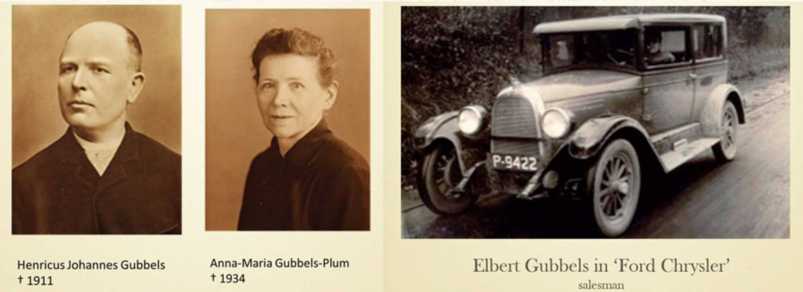 Another perspective I discovered was from Arno van Goor, with the moniker, the ‘Dutch Pipe Smoker’ and a contributor in PipesMagazine.com forums. I discovered on RebornPipes, Steve had posted an article written by Robert Boughton where he compiled more Gubbels history from Arno van Goor (See: A Concise History of the Gubbels Pipe Business from Arno van Goor, the Dutch Pipe Smoker) which I found fascinating to read. Here is how Robert summarized Arno’s closer and personal contribution in Robert’s introduction to Steve:
Steve, here is the Arno van Goor blog that describes so well the evolution of the great Dutch pipe family business known today as E. Gubbels B.V. in the Netherlands. Dhr. van Goor’s sources are friends of his who know the Gubbels family and business, members of the Gubbels family itself, including Elbert Jr., as well as employees. The information in the following blog, therefore, is culled from direct interviews and other contacts. There is also the fact that Arno is Dutch and therefore closer to the action, as it were! He was gracious enough to provide permission to re-publish the fascinating living history in this forum, although at first I thought it would be excerpts from another, longer blog that had the same basic info. I have been careful to copy and paste the material as close as possible to the format set out by Arno in the original on his website, The Dutch Pipesmoker, at https://dutchpipesmoker.wordpress.com/. However, most of the hyperlinks have been removed, and also the photos below were consistently wrapped in the original text paragraphs alternating from the left to right sides. Perhaps you can fix that! I want to take this opportunity to express my extreme gratitude to Arno for his invaluable wellspring of data on the Gubbels family and business. It gives the most illuminating picture I have found.
I encourage everyone interested in Gubbels and Big Ben pipes to go over to RebornPipes.com and read Robert’s compilation of Arno van Goor’s contribution – it is a good read!
In my general research, I picked up on at least three key junctions in the Gubbels family and business history that stood out to me. The first of these was in the 1950s alluded to above in the Pipedia article – Gubbels acquired the Big Ben name. I was curious to see what Arno would have to say about this period – would he add more as the ‘Dutch Pipe Smoker’? In Robert’s compilation this is what I found:
Gubbels had no brand name yet; he just had the name “EGRO” which stood for “Elbert Gubbels Roermond”. The number of machines, personnel, working space  and quality of product were increased, which resulted in a higher output. That made it necessary to expand the market experience and the wholesale network were no longer sufficient. A brand name was needed in order to increase sales, especially abroad. At that time another Dutch company, “De Rijk & Zonen” from Amsterdam, was doing badly. It was not a large company and to be honest, not so interesting. But it did sell British-made pipes with a sought-after, glamorous brand name well-known in many countries: Big Ben. So, in 1956 Gubbels bought the whole De Rijk company. As a result, exports soared in Europe, the USA, Canada, and many other countries.
One of the questions I asked when I first became aware of ‘Big-Ben’ pipes was where in ENGLAND were manufactured 😊? Surprise was mine when I discovered that Big-Ben pipes had a Dutch COM! Arno contributes information that the Big-Ben name was originally from the defunct company which had produced pipes in London even though the company was based in Amsterdam. Since the brand was already known and marketed, good business sense drove the 1956 acquisition by Gubbels Sr., who needed greater market share to develop the company.
Another key ‘junction’ in the Gubbels’ history was the acquisition of the Hilson brand. Here Arno describes this acquisition which transpired in the 70/80s:
At the end of the 1970’s there were only two pipe factories left in the Benelux  countries, those of Gubbels and Hillen. Two different but also complementary enterprises. Gubbels sold well in America with their Big Ben pipes while Hilson was a popular pipe-brand on the German market. However, both companies produced high-quality workmanship. So, in 1980 Gubbels bought Hillen, who sadly was experiencing serious financial difficulties. It was decided that all machines, material, and experts were to be moved to the Gubbels factory.
At first the two brands had some difficulty in co-existing. For example, some Big Ben pipes of that period could be confused with Hilsons and vice versa. All in that period of adjustment was positive, characterized by a high output. However, something was changing in the world of pipes and the market crisis meant that quite a few things had to be reconsidered. It was not enough to increase quality in order to compensate for the drop in quantity. Greater investments had to match high-performance products. In 1989 Alfons (Fons) junior (technical production and design) and Elbert junior (sales) took over from their father Alfons senior and uncle Jos and the family tradition was carried on.
I’ve worked on Hilson pipes, and they are unique – usually with Meerschaum lined synthetic bowls. My impression of Hilson has been that the line attempted to be on the ‘edge’ and appeal to a newer generation of pipe smokers. The final ‘junction’ that stands out to me were the financial difficulties of Gubbels in 2012 and again in 2018 and perhaps also in 2020. There is no doubt that the economic, cultural, and political realities of the world have shaped and reshaped the pipe industry over the years going back to the 1800s. More recent history is no exception when it comes to the pipe industry. Gubbels has faced and manages to weather the storms as they have come. Continuing the story written by Elbert Gubbels Jr. from the Gubbels website, frustration yet with determination can be detected in his words (History):
In 2012 Gubbels was forced by the Rabobank to request bankruptcy because an account manager was of the opinion that in 10 years’ time nobody smokes anymore. This statement by the person in question came during the opening of our new premises in Herten. We had just paid for the complete removal as well as for the new corporate identity – all within the financial resources available. We were very proud and were about to present our new corporate identity at the Frankfurt fair (February 2012). The Rabobank thought differently and demanded accelerated repayment and unreasonable securities). A battle we unfortunately could not win … and with that we stumbled at the finish line. We were upset and hurt and no matter what, we wanted to continue our mission. With our own funds and help from suppliers we were able to make a new start WITHOUT a bank. In September 2012 we were able to present our new corporate identity at the international trade fair in Dortmund.
Following this challenge, the company restructured and began manufacturing other accessory items such as pipe cleaners. Elbert Gubbels Jr. described the ‘lay of the land’ in this way:
International laws and regulations that make it almost impossible to legally offer smoking products inside and outside Europe made us decide to close the wholesale business in smoking accessories and to concentrate exclusively on pipes and the production of pipe cleaners.
The next financial crisis I discovered not from the History on the Gubbels website, but from a July 11, 2019 thread in PipesMagazine Forums started by the Dutch Pipe Smoker (arno665), Arno van Goor. He wrote:
Sadly E. Gubbels in Herten, the Royal Factory of tobaccopipes (i.e. Big Ben), is bankrupt. The artisanal production branch of the family company is no more after 149 years. The trading house, Gubbels Trade and BV Gubbels Pipecleaners, on the other hand, continue to exist.
With the production of fully handmade briar wooden tobacco pipes finally stopped, Elbert and Alfons Gubbels say goodbye to a piece of company DNA and cultural heritage. But also from six involved employees.
“I had hoped to be able to maintain production,” says Elbert Gubbels in an explanation. “But the anti-smoking lobby and the government’s policy of discouragement are terrible. Fewer smokers, fewer stores. While pipe smoking is a certain lifestyle that requires good communication.”
Gubbels wants to keep a part of its history visible but is removing the expensive machine for the Big Ben pipes from the company. “We have a solid stock and cannot keep on stacking. We will first sell it and then have the new pipes made in Italy. Where the briar also comes from. Then we give it a final touch in Herten. This is how we maintain our global market. On a small scale, with around ten, eleven employees, we hope to be able to continue for a very long time.”
Several bloggers contributed to the lament, but I was drawn especially to forum lifer, mso489’s comment which seemed to be prophetic and summarize the realities that are faced even today:
The tightening tobacco laws and regs will close out more and more businesses and inhibit start-ups. Not a good bet for a business, though a few bold souls launch them. The pipe and pipe tobacco market will live on under the wing of the biggest companies and longstanding companies (I think) but the number of brands of pipes and blends is sure to narrow. My guess is it will all hit a plateau and be neglected as other concerns take over public and public health attention. For those sitting on a ton of leaf, this really doesn’t matter. For people with spare cellars, you might squirrel away some tubs and tall jars. Anyone with twenty or more serviceable pipes, you’re set for life on that score.
When thread contributors started pointing out conflicting information that came out in a news article printed about Gubbels’ difficulties, the author of the thread, Anro, reached out to Elbert Gubbels to see if the issues could be clarified. This is what he wrote:
I just talked to Elbert Gubbels, the owner of Gubbels/Big Ben. The story in De Limburger is not entirely correct, to the chagrin of Elbert. They are NOT bankrupt  but had to downsize considerably. They had so much stock, which did not sell fast enough, that it threatened the future of the company. So sadly, they had to fire several employees. In the coming months no pipes are produced and the remaining stock is (hopefully) sold. After that the cheaper pipe-lines are made in Italy and finished in The Netherlands. The more expensive high grade pipe-lines will still be fully made in The Netherlands.
Two things strike me about this, Elbert Gubbels is an accessible guy! His passion for his company’s heritage, present and future, come through very clearly. At the end of the Pipedia Gubbels article is an external link to The Pipes Magazine Radio – Episode 106 interview of Elbert Gubbels Jr. by Brian Levine (See: LINK). The interview was done in September of 2014. I listened in its entirety and can recommend others to do so as well. The sentiment of the interview and my sense of the history of the Holland based pipe company is summarized in Elbert’s last paragraphs of the History on the Gubbels website:
I have experienced beautiful and turbulent years as an entrepreneur together with my family and I do not know if I would have handled things differently, probably with the knowledge of today. But I never regret anything! Things go the way they go and I have learned a lot … but most of all had to learn my lessons. No matter what you do and who you are … there is always a low point somewhere. The great thing is that when you are at a low point there is also a way up … to a new high.
I remain a firm believer in our product. In contrast to other varieties of smoking, the pipe, in our view, fits best in the time in which we now live: a fast moving (virtual) world with (virtual) friends: God for all of us … but each and every one for himself! The ritual of packing and lighting your pipe, a moment to yourself, of peace and mindfulness. In addition, a pipe is a sustainable product in which you burn the tobacco that you have selected. With proper maintenance, a pipe can last for years and even be passed on (with careful use and care) to the next generation.
The second thing that strikes me after reading Arno van Goor’s statement above is how interesting and diverse the pipe community is. I enjoyed reading through Arno’s blog site (https://dutchpipesmoker.com) and discovered that he took a sabbatical from posting on his blog in May of 2022. This post was called, ‘The Last Post’, where he describes personal issues preventing him from blogging. I read through this ‘final’ blog with interest because after reading so much about and from him in the research of this Big-Ben Commodore, I’ve grown in my appreciation for him and his unique contributions to the pipe community. As I read his ‘final’ blog, I was both surprised AND pumped that he gave a ‘final’ nod to the Gubbels company with these words in 2022:
One of the last things I want to tell you is that Dutch pipe maker Gubbels is doing fine. They made the last annual Dutch Pipesmokers Forum pipe and besides being a beauty (see the first picture), it smokes excellent! I picked it up myself at the new factory. After the bankruptcy of several parts of their company they pulled through and found a new, better and cheaper location. Gone is the big machine that could produce many pipes per day. Gone are the contracts with pipe-selling sites like Al Pascia. They couldn’t make pipes for the prices they wanted any more. What is left is an enormous stock of vintage raw unfinished pipes, a true treasure.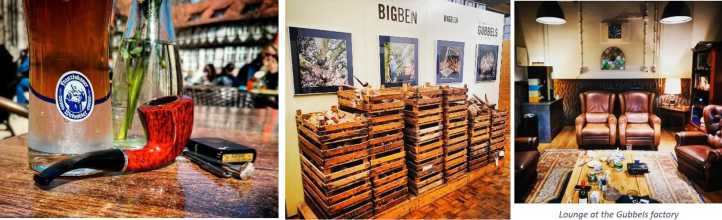 Elbert (Gubbels) doesn’t have to worry about money any more, because now he gets his income from making pipe-cleaners for all kinds of markets. In fact, he even can’t keep up with demand, which is a good sign. So he can think of and create new pipes peacefully with the help of some employees. Soon there will be a CNC machine, so they are no longer dependent on old stock. Visitors are very welcome to visit the new factory, walk around and smoke a pipe in the beautiful lounge while enjoying a glass of whisky or wine. Perhaps in the future you can even create your own pipe there!
Turning next to focus on the Big-Ben Commodore on the worktable, I could find precious little about this particular production line. What I did find was interesting. It took some time, but I did find a picture of a page from an Iwan Ries & Co. catalog dated 1979. Iwan Ries (https://www.iwanries.com/) is the oldest tobacconist in the US located in Chicago. They opened their doors in 1857 and continue to serve the pipe community today. When I found this IRC 1979 ad (see now defunct Chris Keen website picture directory http://chriskeene.com/pics/) it describes a Commodore line from Gubbels of Holland and provides 5 different Commodore shapes from which to choose. The ad does NOT describe them as Big-Ben but only as Commodore made for IRC. Seeing “IRC” in the ad, jogged my memory. ‘IRC’ was listed in the list of other ‘lines’ associated with Big-Ben in the PipePhil listing (See: http://pipephil.eu/logos/en/logo-bigben.html). Looking at the example given for a Gubbels made IRC pipe, the information given indicates that the norm was for these pipes to have an IRC stem logo pressed. What is helpful to see is that even though the example is a ‘Houston’ and has an IRC stem logo, the nomenclature includes Big-Ben. I don’t believe the Big-Ben Commodore on the worktable was made for Iwan Ries Co. in Chicago, but the IRC ad above helps to frame a time in which ‘Commodore’ was a line being produced by Gubbels – 1979. When the Commodore line started or when it ended, I cannot say for sure, but the 1979 ad helps to know where the brackets are placed.
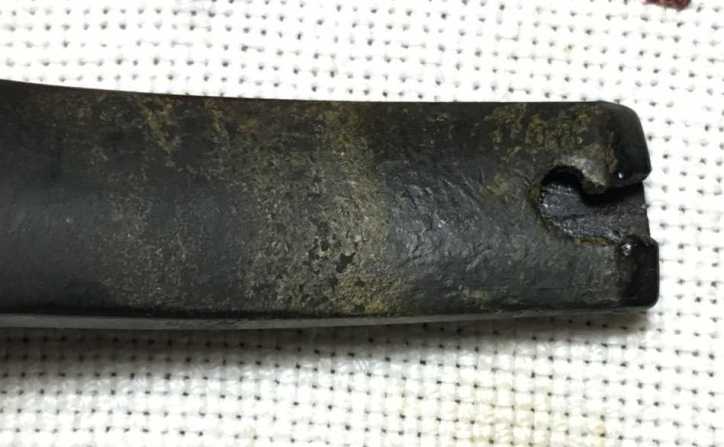
 With a deeper appreciation for the history of Big-Ben as the mainstay branding of Gubbels, I look forward to giving new life to the Pear shaped Big-Ben on the table. Without a doubt, the greatest challenge is the stem with a cursory look. The picture below shows a ‘valley’ cut through the upper button. One would expect to see a crack running through the valley, but at this point, I don’t see one.
 There is no doubt, the former steward of this stout Big-Ben loved his pipe and chewed the bit into oblivion. Looking at the lower bit, the damage is significant and peering through the hole, the picture seems to show a crack on the underside of the upper bit. When one has the pipe’s original stem, with a nice stem logo hanging in there, the goal and desire is to do whatever necessary to salvage the stem.
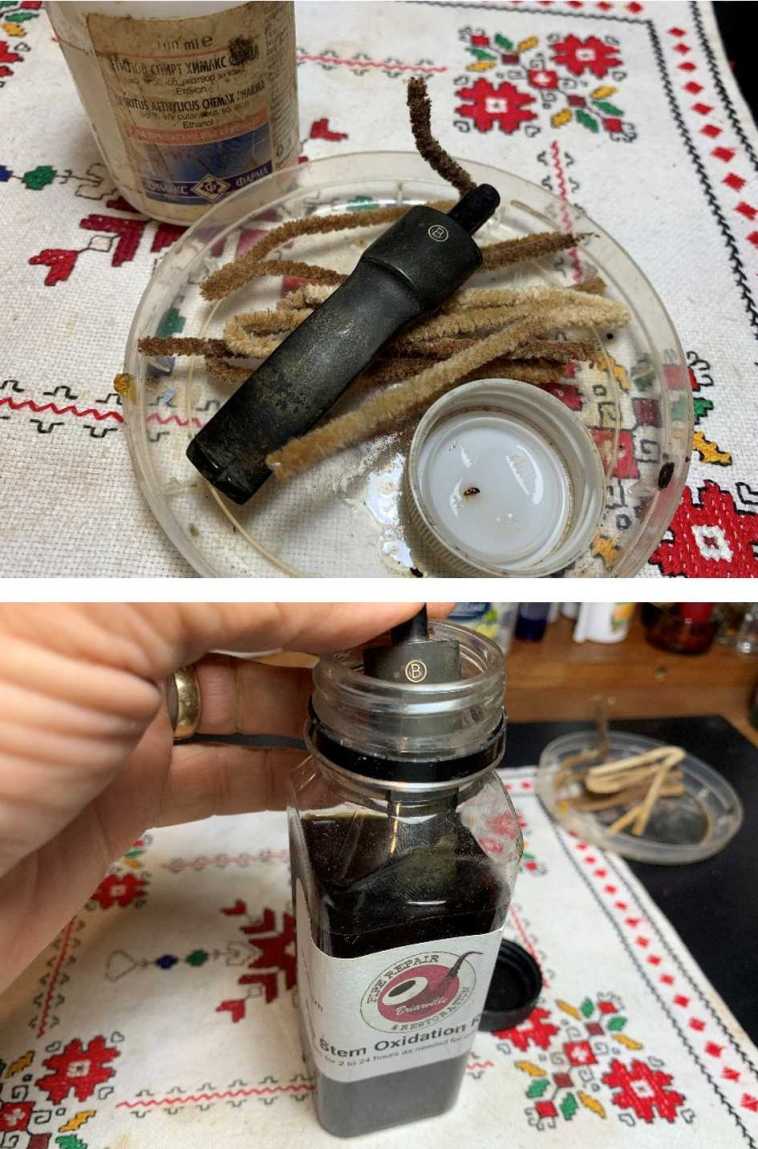
 Before going any further in assessing the button damage and how to approach it, the thick oxidation and calcification needs to be addressed. After cleaning the airway with pipe cleaners and isopropyl 99% alcohol, the stem is placed in a soak of Briarville’s ‘Pipe Stem Oxidation Remover’ which usually does a good job.
 With the stem soaking, with a closer look at the stummel, a few pictures surveying the rim reveal a thick lava crusting. The briar circling the rim is dark. The hope is that this is simply the crud superficially caked over the rim and not charring of the briar itself because of overheating. We’ll see how cleaning addresses this.
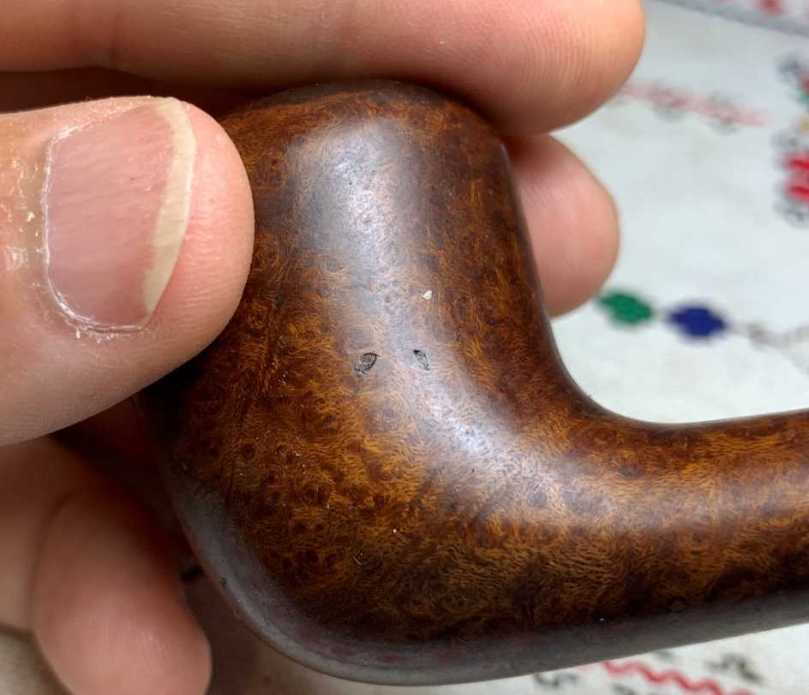
 Surveying the stummel proper, one would expect to see some normal wear and tear. The front part of the heel has a couple pits that need addressing as well as some lateral skin marks from knocking on hard surfaces.
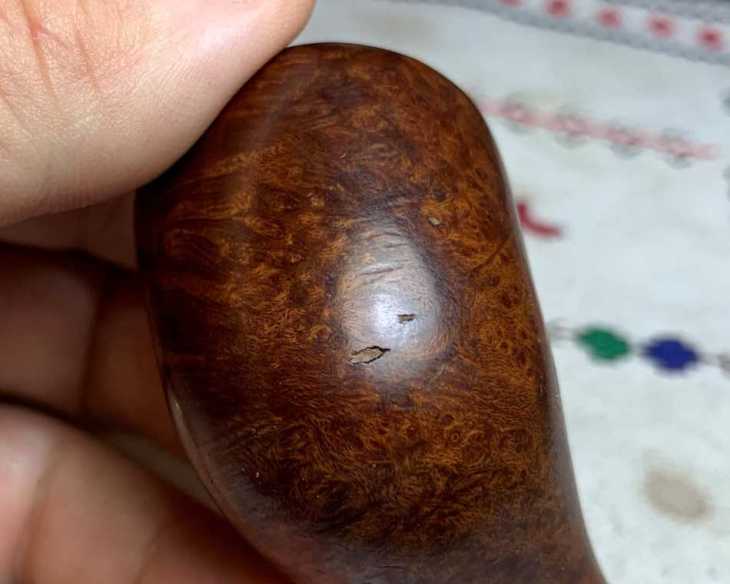 Another larger pit is on the lower heel.
 The left side of the bowl also needs some TLC to address small pits.
 While the stem soaks, cleaning starts on the stummel by reaming the chamber using the Pipnet Reaming Tool starting with the smallest of the 4 available blade heads. I started using the 3rd blade head and noticed that with each blade head, the fit was not great. The chamber has a more conical shape and narrows as one moves toward the floor. Hmmm. I have been calling this pipe a Pear shape but I’m beginning to think that it fits the characteristics of a Dublin shape better. The conical chamber and also the canted bowl… It’s more on the chubby side than most of the Dublins I have worked on, but perhaps a ‘Chubby Dublin’??? Perhaps. Transitioning from the reaming blade heads not wanting inadvertently to chisel ridges in the narrowing chamber, the Savinelli Fitsall Tools does a great job finishing the chamber scraping and removing carbon. Finally, the chamber is sanded using 220 paper wrapped around a Sharpie Pen.
 A quick inspection of the chamber reveals healthy briar – good news.
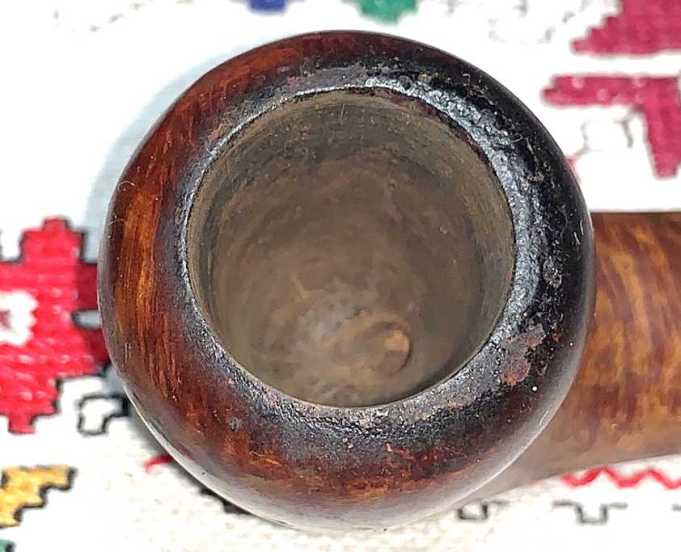 Continuing with the cleaning, undiluted Murphy’s Oil Soap is used with a cotton pad to scrub the briar surface. The rim is also scrubbed with a brass brush which does a great job breaking up and removing the lava crust.
 After the Murphy’s Oil Soap scrubbing, the stummel is taken to the sink where the internals are scrubbed using shank brushes, hot water with anti-oil liquid dishwashing soap. After this scrubbing, the stummel is thoroughly rinsed and returned to the worktable.
Wow! I’m amazed at how the cleaning came out for the externals, but continuing with the internals, cotton buds and isopropyl 99% go to work. I did not use pipe cleaners because the drilling of the mortise was not tight. The ends of the cotton buds went through to the chamber. It did not take many buds when they were coming out lighter. Later, to continue the cleaning and to freshen the stummel, it will have a kosher salt and alcohol soak.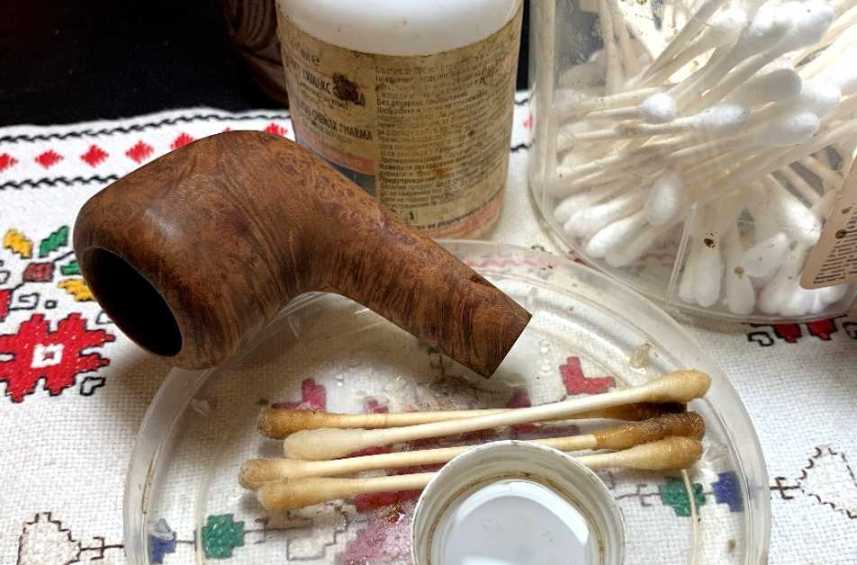 The rim’s cleaning came out great. Now, the pits that were identified earlier need attention.
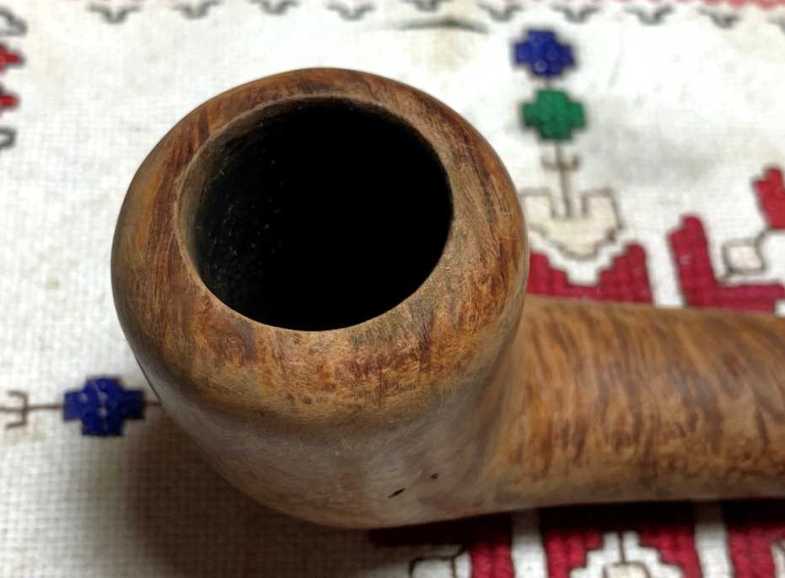 Using a sharp dental probe, each pit is cleaned by removing any debris or old filler material.
 The pits are small, so the approach is to spot-drop regular clear CA glue at each pit. The wet glue is then sprinkled with briar dust. This has the effect of helping to blend the patches when they cure, but also to help solidify the patches and keep them in place while they cure. If my count is correct, 8 pits were patched and now curing.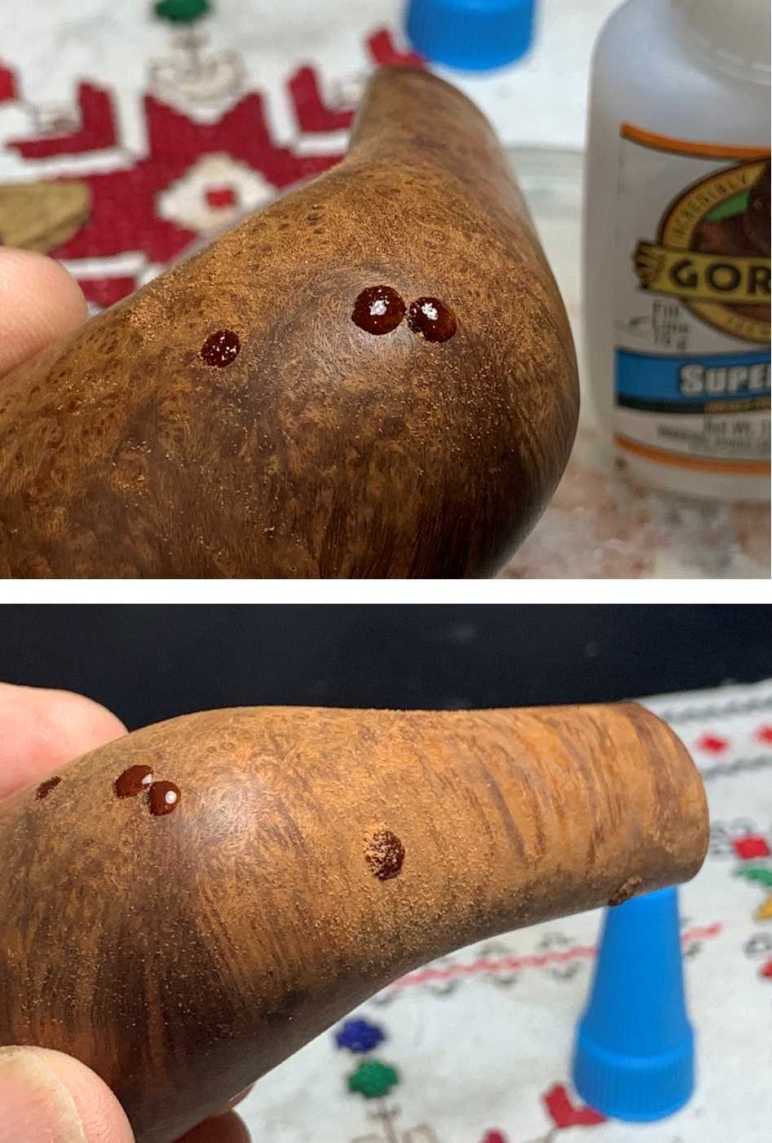
 Turning now to the stem, it has been soaking in Stem Oxidation remover for several hours. When the stem is fished out, it is rubbed briskly with a cotton cloth to remove the raised oxidation. I’m pleased with the results. The oxidation is gone, and the Big-Ben ‘B’ stem logo looks healthy.
 Now, the critical challenge of this restoration – the button. After cleaning and removing oxidation, the photos are lightened to see the detail better in the black vulcanite. Looking first at the upper bit, the missing part of the button has a crack running through the crevasse into the upper bit. No question remains about a crack.
 Flipping the stem over, now looking at the lower button carnage, the hole was probably drilled by an eye tooth clamping down on the stem. Over time, the button gave way with the lower button area cracking off with the upper button partially gone but with a residual crack. Looking at the upper crack through the lower vantage point gives a bit more sobering perspective on the progress of the crack. Without repair, pressure on the bit will undoubtedly expand the crack until the bit breaks again.
 The choices at this point are either to try to repair the button as it is by filling in the large hole on the bottom and stopping the possible progression of the crack on the upper side. The second choice is to sacrifice a bit of stem length by cutting off the existing damaged button and starting over by rebuilding a button. The second option will result in less of a crack to secure and a smaller gap on the lower side to fill and strengthen. I think as I described the choices before me, the best approach became evident: option 2. The challenge of option two is to recreate the slotted button that immolates the original. Cutting off the existing button will also shorten the open area of the slot as it tightens into the airway. This may be a challenge and we’ll see when we arrive at that point.
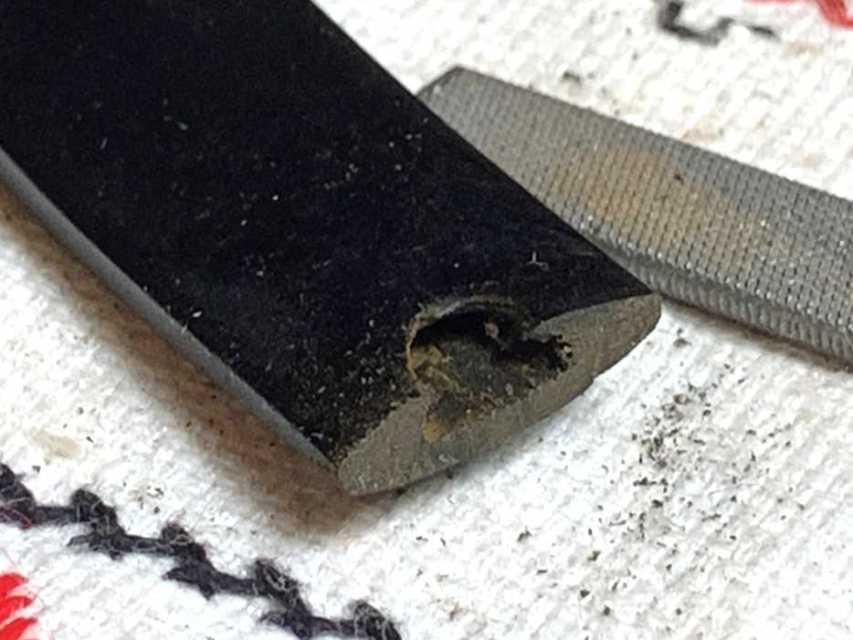
A side view of the stem shows where I want to cut. Using the rotary tool, a cutting blade is mounted. While holding the stem steady, the button is amputated.
 A flat needle file then files down the facing to remove excess vulcanite and to straighten the cut a bit so that it is at a 90-degree angle. At this point the new cut becomes the new facing for the button. Next, the button has to be built up around the shortened bit.
 To form a mold to guard the slot and to keep patch glue form blocking the airway, 2 pipe cleaners are used. The ends of the pipe cleaners are bound together with scotch tape. The pipe cleansers are able to fan out a bit to fill the slot.
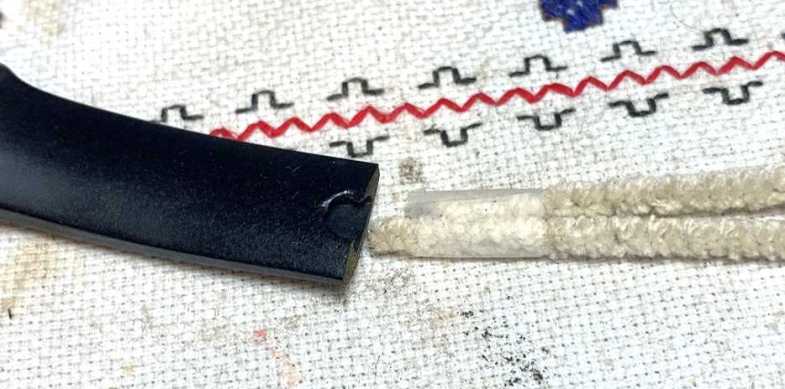 Some petroleum jelly is placed on the tape to keep the glue from sticking and the bonded pipe cleaners are guided into the slot and airway.
 The process of building a button isn’t pretty! The approach is to use Medium-Thick Black CA glue and an accelerator. An accelerator sprays onto the wet CA glue causing it to cure instantaneously which allows the building process layer by layer.
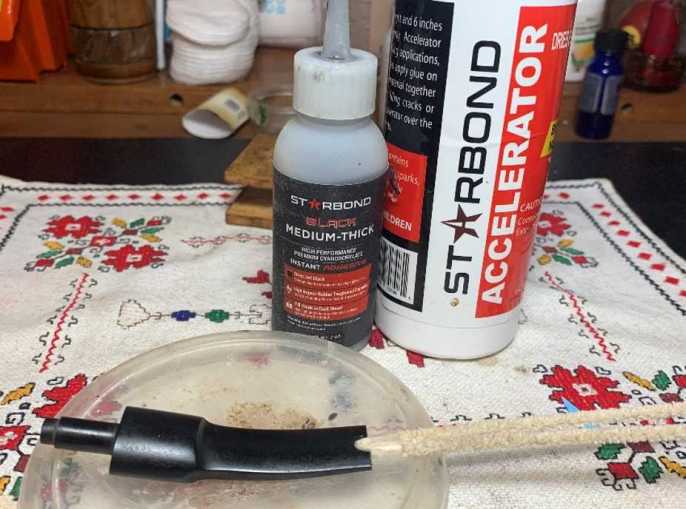 The first application of Black CA fills the lower side hole in the bit. This is immediately sprayed with the accelerator.
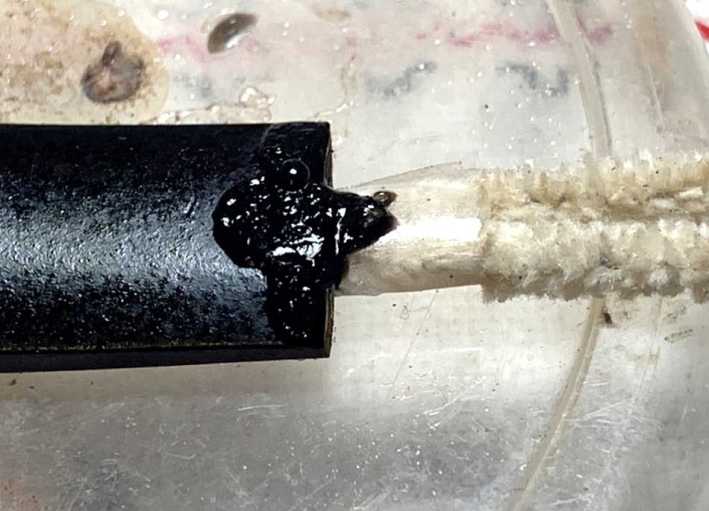 Turning to the upper side, a channel of CA is laid and sprayed with the accelerator to begin the foundation of a new button.
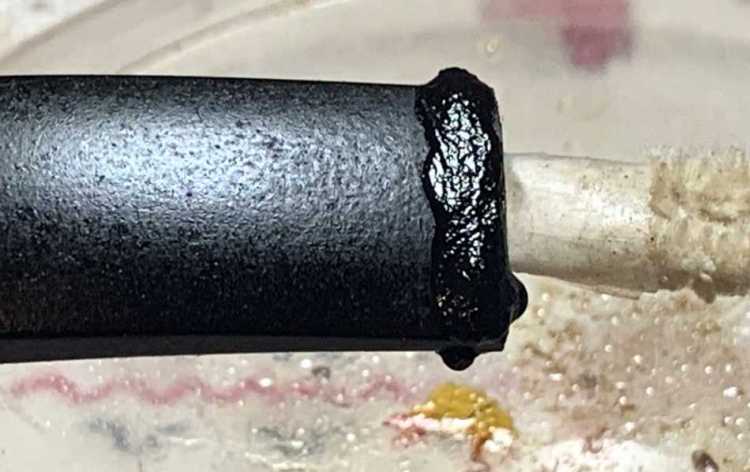 The same is done on the underside – then sprayed with accelerator. I said that it wasn’t pretty. The pipe cleaners are pulled out and unfortunately, some of the tape was left in the slot to be removed as the filing takes place.
 A rudimentary button foundation is laid, and a flat needle file is used to file off the excess over the facing. I do this at this early point to help keep the boundaries of the button in view as layers are added.
 The process of laying a channel of CA over the upper and lower button continues and after each layer, spraying with the accelerator. Gradually, the new button grows – it’s not pretty.
 I forgot to count how many layers were made to build the button. The following pictures show the finished building phase. The building of the raw button is intentionally larger than the finished button will be. This is needed so that the filing and shaping can happen gradually. The button on the lower side is intentionally fat to cover and reinforce the hole that has been filled and now covered.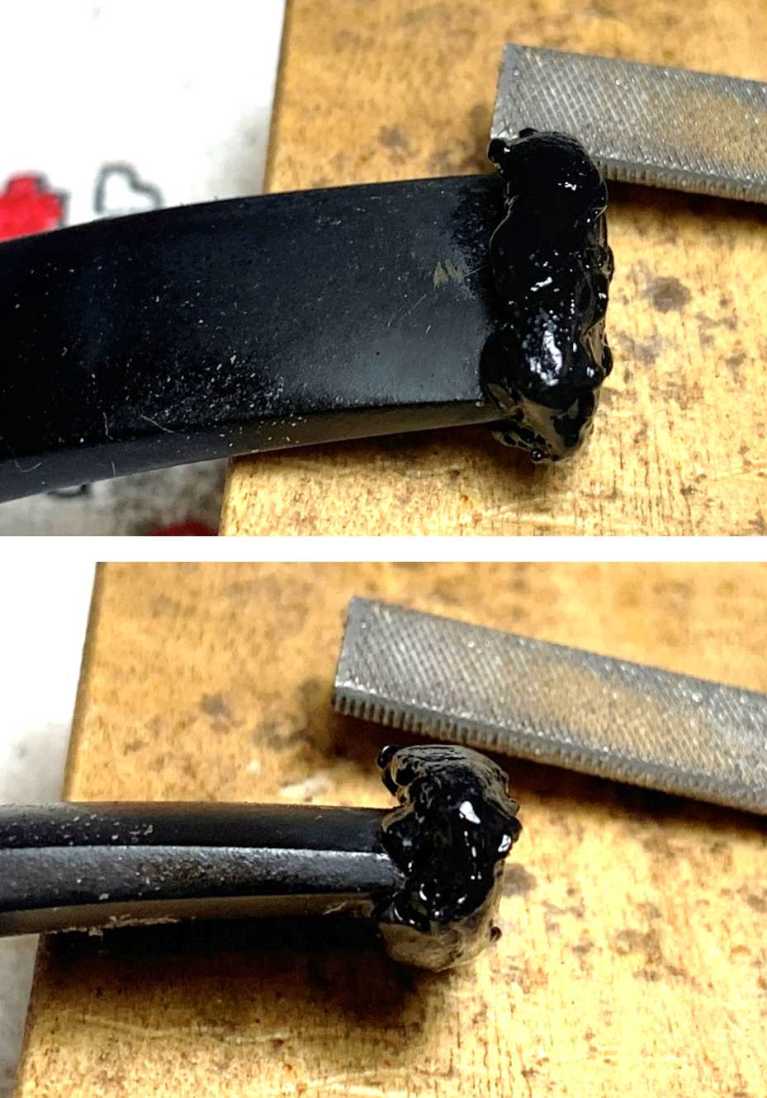
 Filing begins to smooth and even out the upper button.
 Next, the sides of the emerging button are filed so that they are flush with the sides of the stem. This is done on both sides of the button. This helps to set the lateral ‘frame’ for the button.
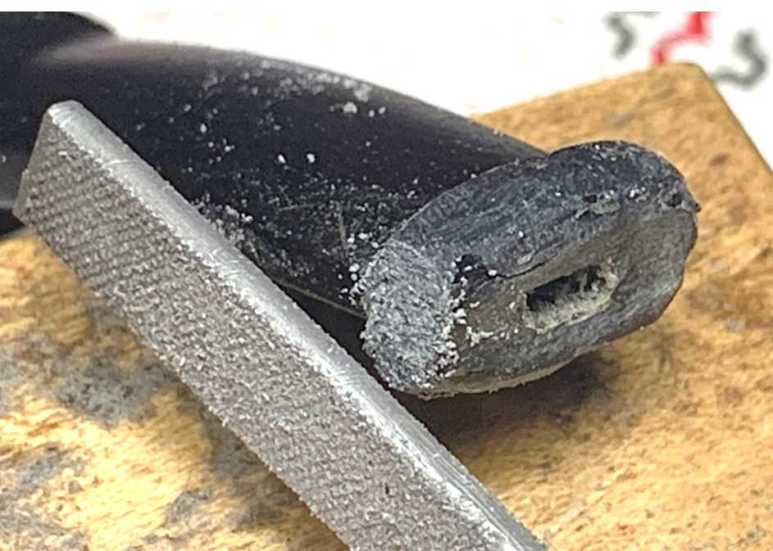 Gradually, the button is filed to shape it down as close to the original as possible.
 A lot of filing and time elapsed bringing the new button to a satisfactory point. A flat needle file is used as well as a squared file.
 I like this side-view picture. The first picture was of the old button. I looked at this picture as the new button was filed to make sure I was on the right track. I think the new button in the second picture looks great compared to the original.
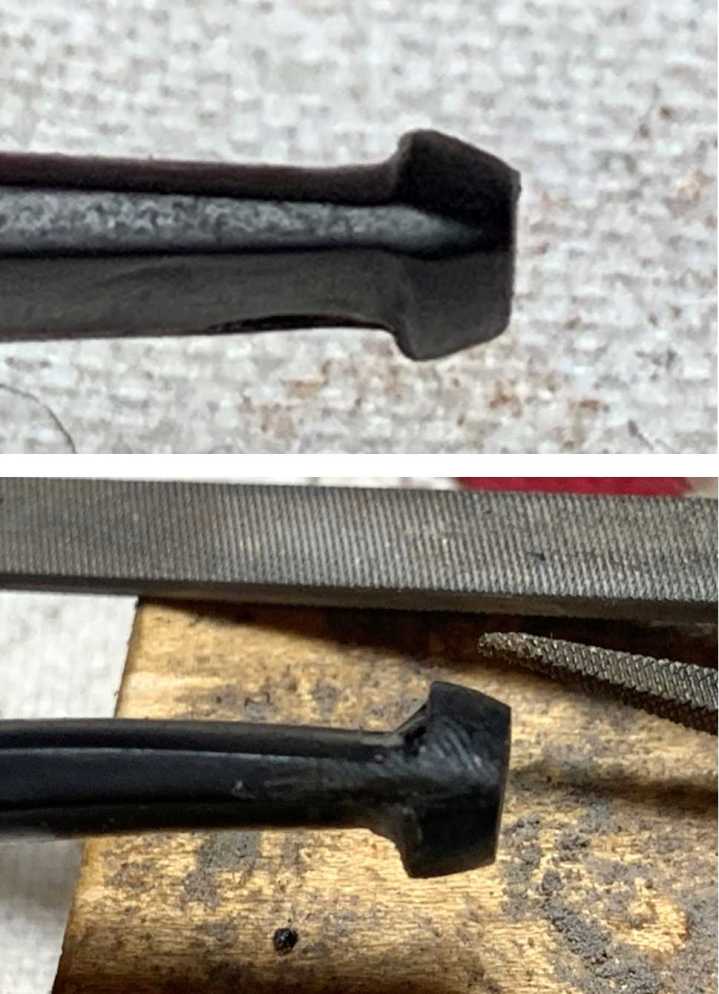 The slot looks a bit rough at this point with tape stuck on the edges. A pointed needle file helps to shape the button to make it a bit more presentable and it removed the tape.
 Next, 220 paper is used to sand the new button and bit. This helps to smooth and further fine tune the shape – upper and lower.
 The 220 paper is followed by applying 470 paper to further smooth the button and sand the stem up to the saddle.
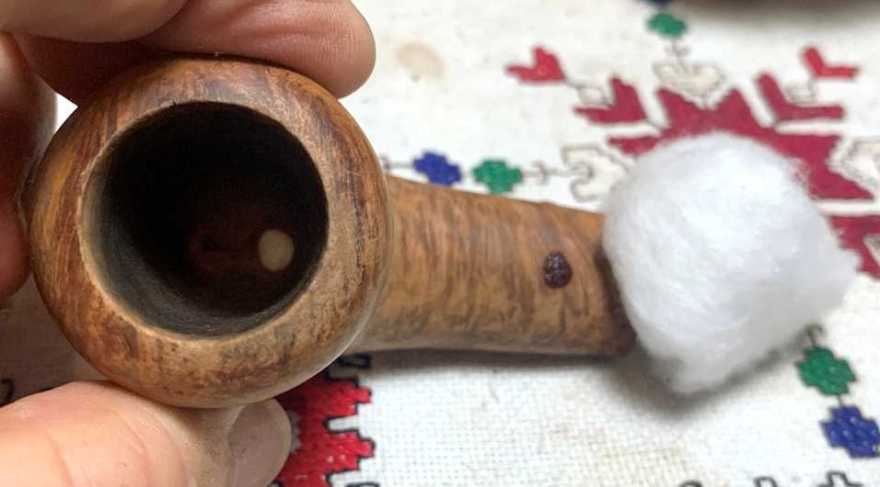
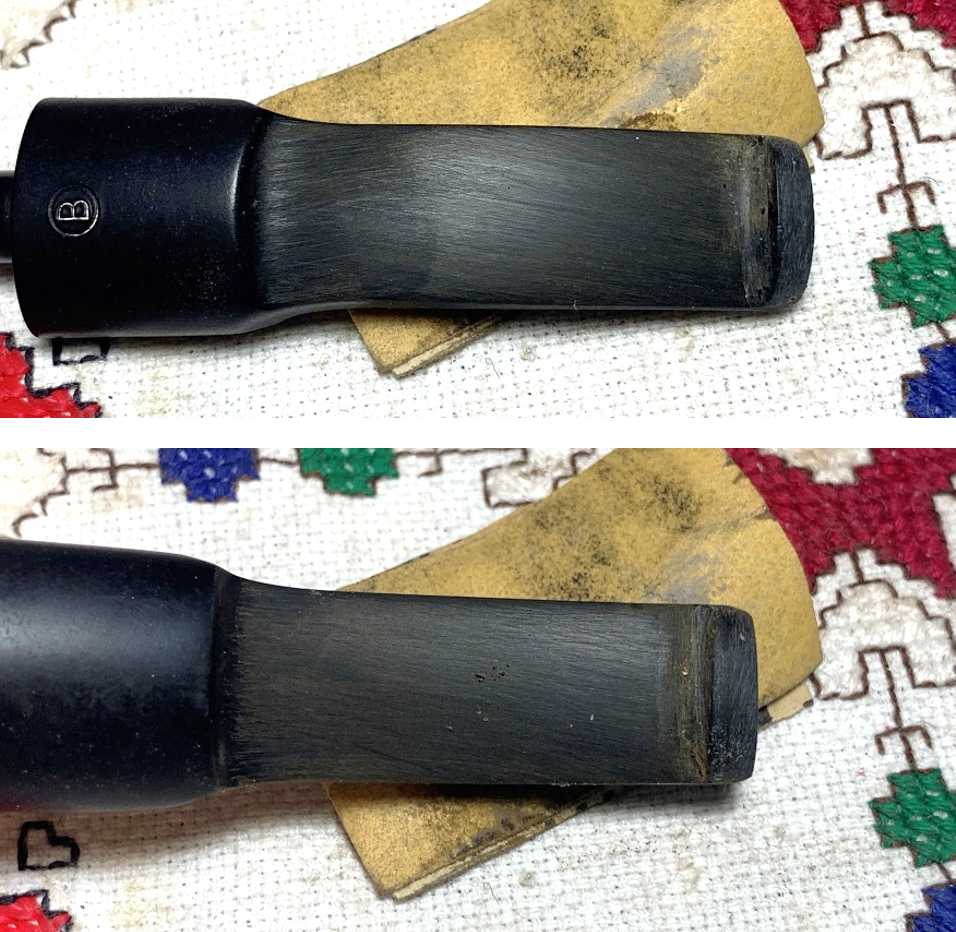 I would have liked to continue the stem sanding process, but the day is late and the cleaning on the stummel continues. The patches on the briar surface have set up nicely and movement is not a problem. To continue the internal cleaning the stummel is given a kosher salt and alcohol soak through the night. The process helps to refresh and sweeten the briar for a new steward. First, a cotton ball is pulled and twisted to form a ‘wick’ which is guided down the mortise to the draught hole with the help of a stiff wire.
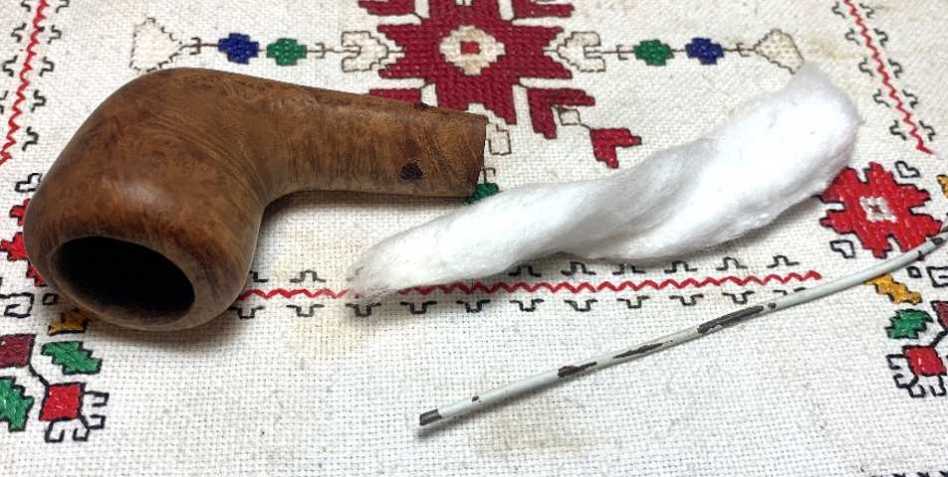 The cotton ‘wick’ helps to draw out the residual tars and oils from the internal briar.
 The bowl is filled with kosher salt which leaves no aftertaste as is the case with regular iodized table salt. The stummel is then placed in the egg carton for stability and to angle the rim and shank facing so that they are level. Isopropyl 99% alcohol then fills the bowl with a large eyedropper until it surfaces over the salt.
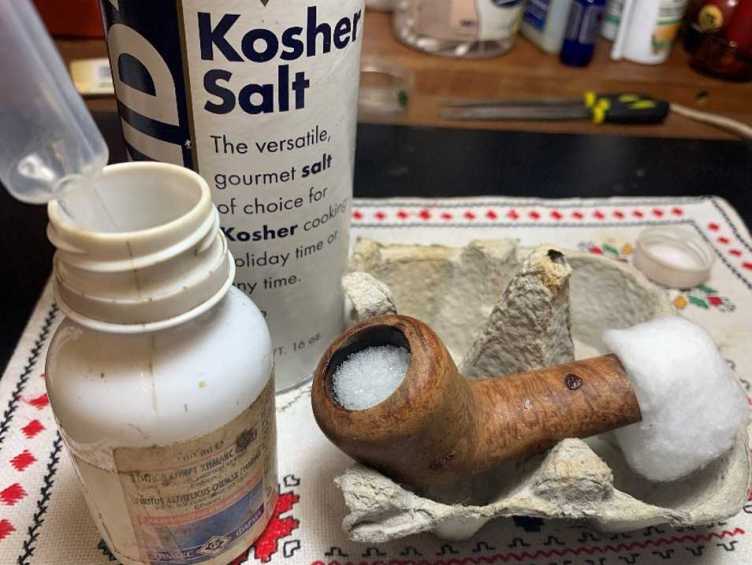 After a time, the isopropyl 99% is absorbed into the pipe and then the bowl is topped off one more time. The stummel is then placed aside to soak for several hours – overnight.
 The next day, the processes of cleaning through the night are evident in the soiled salt and wick.
 After the salt is cleared from the bowl, a single cotton bud and isopropyl 99% confirm that this Big-Ben is as clean as its going to get.
 Continuing again with the stem sanding, 600 grade paper is used to wet sand the entire stem. This is followed by application of 0000 steel wool.
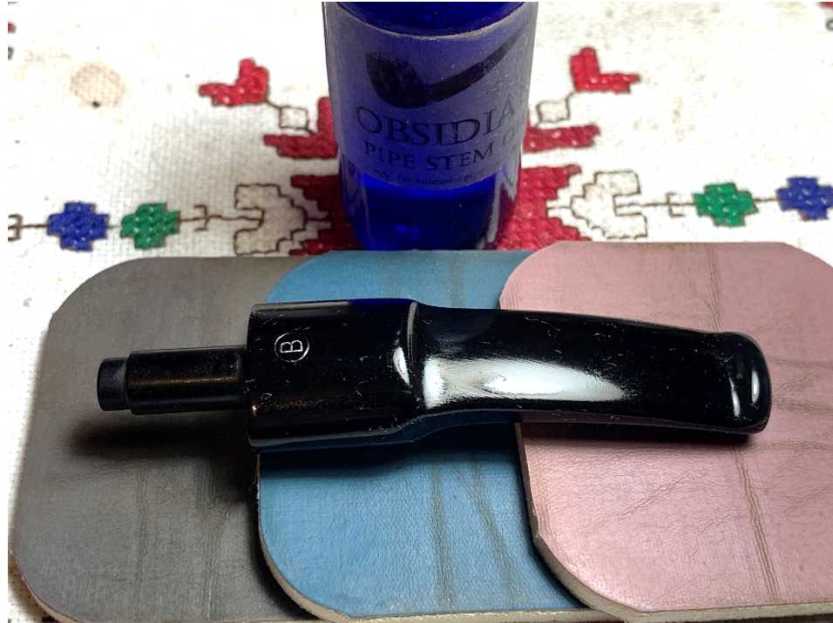
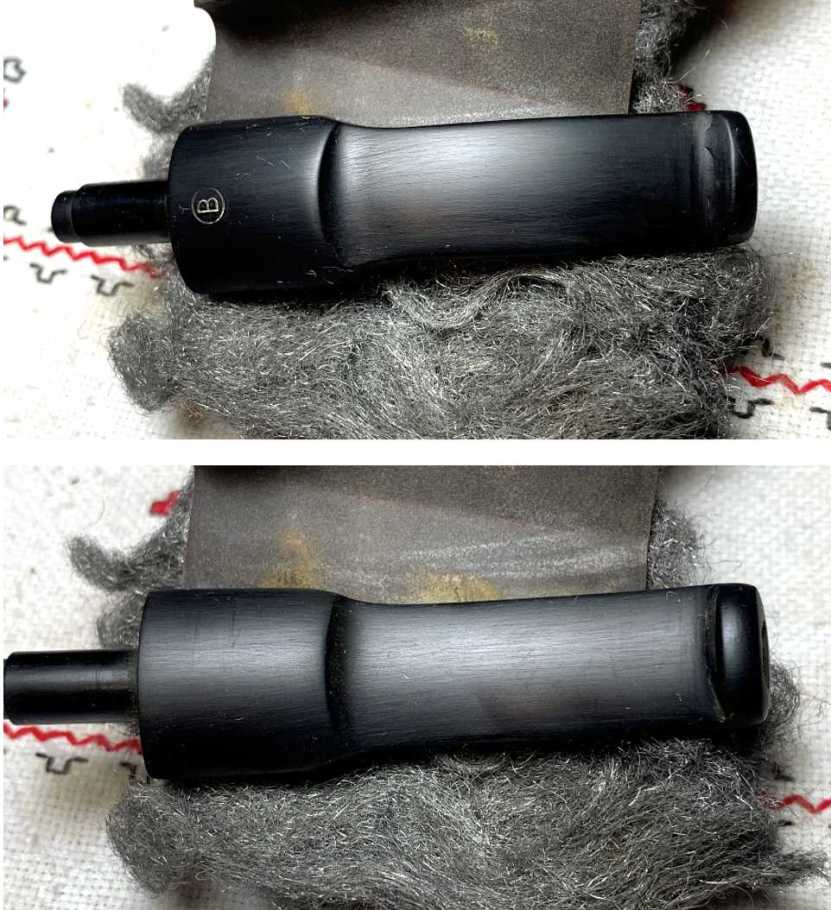 Next, the full regimen of 9 micromesh pads are applied to the stem starting by wet sanding with pads 1500 to 2400. This is followed with dry sanding with pads 3200 to 4000 and 6000 to 12000. For extra UV protection, Obsidian Oil is applied to the stem between each set of 3 pads. This helps protect against oxidation developing. Wow! How far this stem has come. I’m pleased with the button rebuild.
 With the stem’s basic restoration completed, I turn the attention to the stummel. A total of 8 pits were patched with briar putty. Next, each patch mound is filed down flush with the briar surface. The goal in this filing is to only remove the patch material and to avoid the surrounding briar as much as possible.
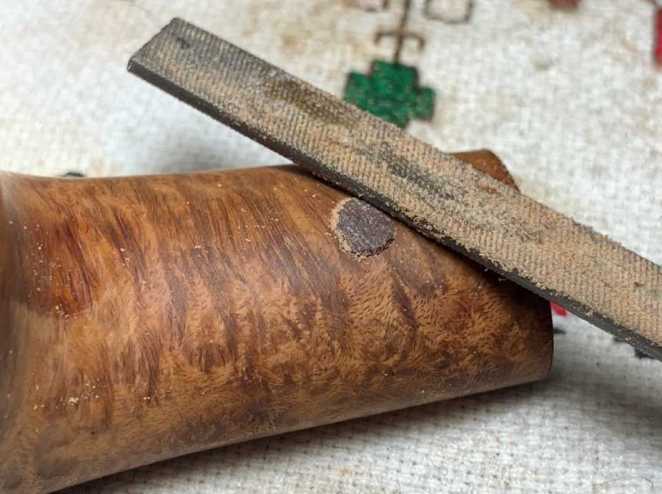 After the patch mounds are filed down, each patch area is then sanded with 220 paper and then 600 paper (not shown) to further smooth and blend. It’s unavoidable that the sanded areas of the briar lighten a bit. These light spots tend to darken and blend through the micromesh process.
 Next, the bowl is sanded with micromesh pads, 1500 to 2400, 3200 to 4000 and 6000 to 12000. To improve the traction of each pad, the bowl is wiped with a damp cloth between each pad. The grain comes out beautifully through the micromesh process.
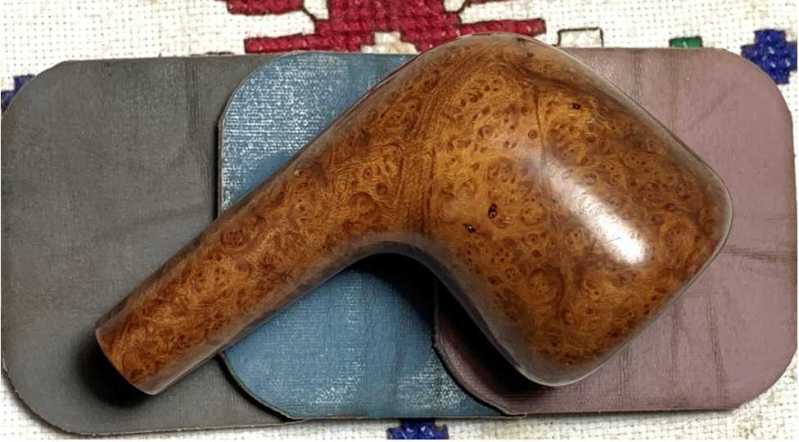 To bring out the natural briar hues, next Mark Hoover’s Restoration Balm is applied to the stummel. With a little Balm placed on the finger, the Balm is worked into the briar thoroughly, then placed aside for 15 or so minutes for the Balm to be absorbed.
 After the time elapses, a microfiber cloth dedicated to removing the excess Balm and buffing the stummel is used. As expected, the Balm has done a great job.
 One more micro-project to do before reuniting stem and stummel and proceeding to the final steps. The Big-Ben ‘B’ logo needs refreshing. The imprint is crisp, but the paint needs reapplication.
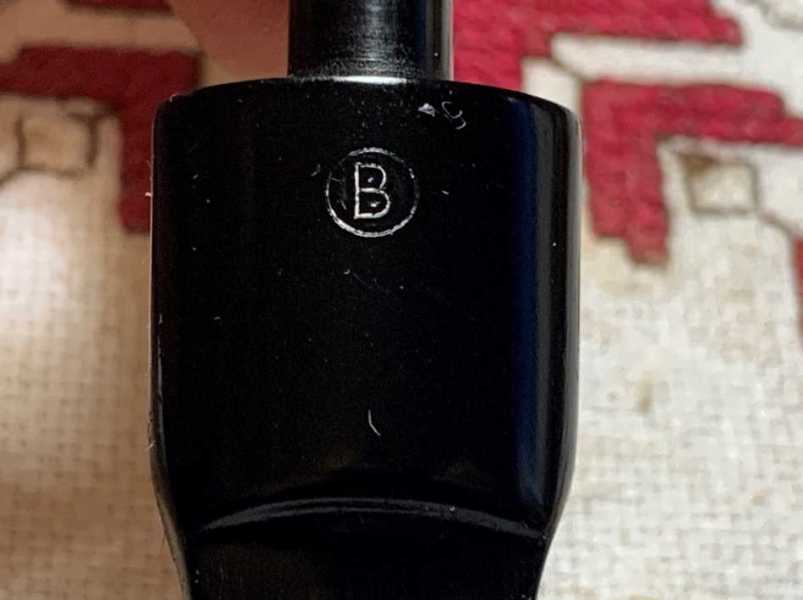 White acrylic paint is dobbed over the circular logo.
 The wet paint is next dried by pressing a cotton pad over the logo. This dries the paint and thins it down.
 Next, I use the side of a toothpick to scrape over the dried paint. The toothpick removes the excess paint leaving behind the paint in the troughs of the pressed logo. The refreshed logo looks great.
 On the home stretch. The Big-Ben stem and stummel are reunited. Next, a cotton cloth buffing wheel is mounted on the rotary tool and with the speed set at about 40% full power, Blue Diamond is applied to the pipe.
 A felt cloth is used after application of the compound to remove the dust that accumulates on the briar surface. This is done in preparation for the application of the wax.
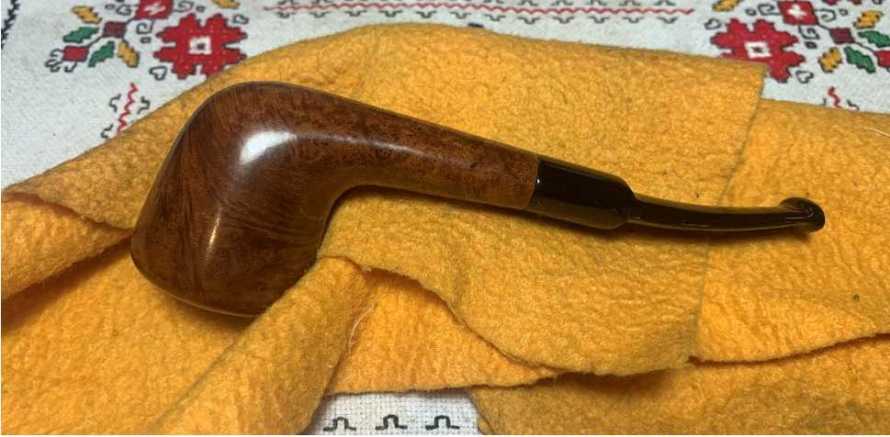 Another cotton cloth wheel is mounted on the rotary tool dedicated to the application of wax. With the speed the same, carnauba wax is applied to the pipe. After this is done, the pipe is given a rigorous hand buffing with a microfiber cloth to remove excess wax and to raise the shine.
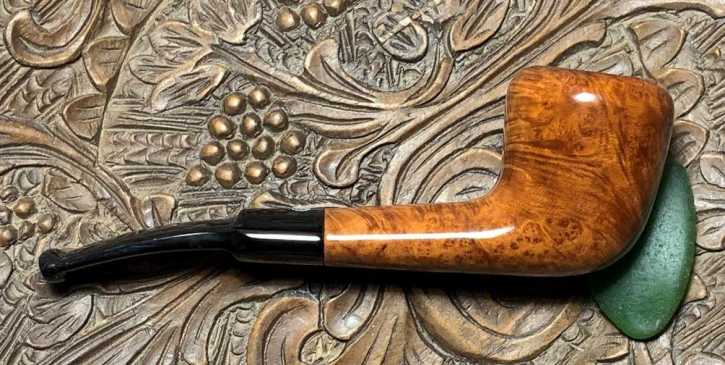
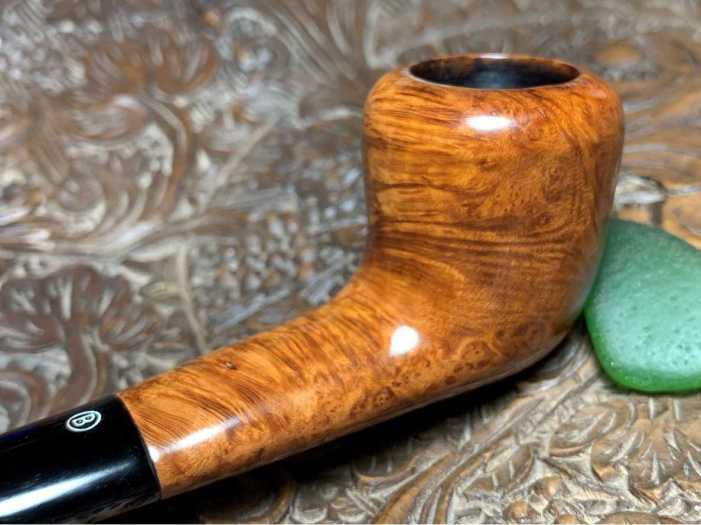
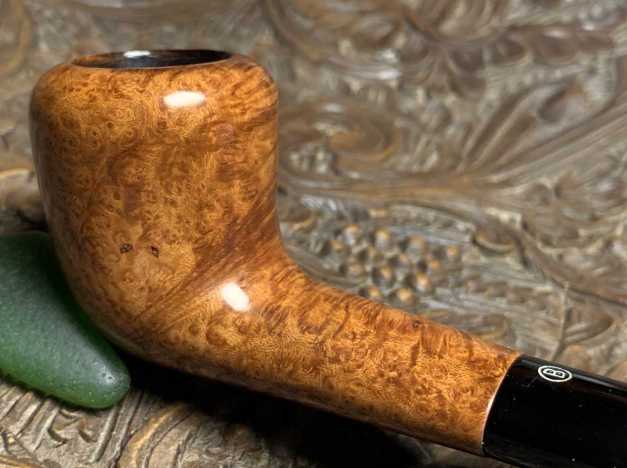
 My, oh my… This Big-Ben Commodore turned out great. I enjoyed learning more about the Gubbels’ story out of Holland and knowing this history adds to the appreciation for the probable 1979ish pipe on the table. The button rebuild was the technical challenge of this restoration. The loss of a few centimeters of stem was worth the restoration of a strong bit and button construction that will give a new steward several more years of service. The grain on the Pear (or Chubby Dublin 😊) turned out to be exceptional. With so much attention on the stem repair, the intricate bird’s eye and swirl grain patterns did not get the attention they deserve. Pipe man Jim from Houston commissioned this Big-Ben Commodore and will have the first opportunity to claim him from the Pipe Steward Store benefitting the Daughters of Bulgaria – helping women and girls who have been trafficked and sexually exploited. Before/after pictures start to remind us how far we’ve come! Thanks for joining me!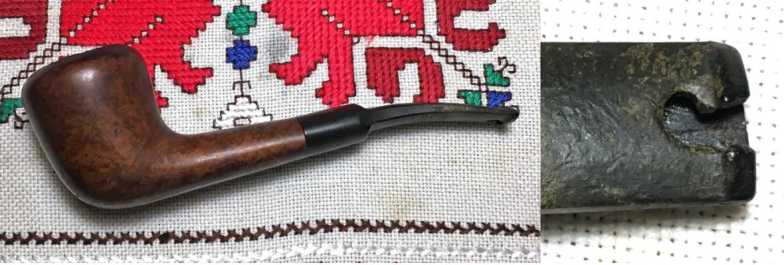





 The Pipe Steward
Pingback: Restoring a Gubbels Amphora 815 X-tra of Holland Poker – The Pipe Steward
Pingback: A Big-Ben Crosley Trifecta: A Blocked Airway, a Hole in the Heel and an Acrylic Shank Extension Rebuild – The Pipe Steward